Navigating the world of car maintenance can be daunting, especially when faced with a plethora of myths that circulate among drivers. Some of these myths can lead to unnecessary expenses or even compromise safety on the road. Understanding the truth behind common car care misconceptions is crucial for every driver, particularly regarding critical systems like brakes. Here, we will delve into popular car care myths, particularly those related to brake maintenance and repair, providing insights grounded in expert knowledge.
Myth 1: Brakes Only Need Attention When They Squeak
One prevalent belief is that as long as your brakes are functioning without noticeable issues, they do not require attention. While squeaking or grinding noises often indicate worn brake pads needing replacement, this perspective can be dangerously narrow. Many brake problems develop silently and may not present obvious symptoms until serious damage occurs.
For instance, your vehicle might experience reduced stopping power without any audible warnings. Regular brake inspections are vital and should occur well More helpful hints before signs of wear manifest. A qualified brake mechanic can identify early signs of trouble during a routine checkup, ultimately saving you from costly repairs down the line.
Myth 2: Brake Fluid Doesn’t Need to Be Changed
Another widespread myth is that brake fluid is a "set it and forget it" component of your vehicle's braking system. In reality, brake fluid absorbs moisture over time, leading to decreased effectiveness and potential corrosion within the braking system. This moisture can significantly lower the boiling point of the fluid, increasing the risk of brake failure under heavy use.
Experts recommend flushing your brake fluid according to manufacturer guidelines or at least every two years. This maintenance helps ensure optimal braking performance and prolongs the life of vital components such as calipers and lines.
Myth 3: You Can Delay Brake Pad Replacement Until They Are Completely Worn
Many drivers believe they can wait until their brake pads are entirely worn before replacing them. This approach ignores several critical factors that affect braking performance and safety. Driving on excessively worn pads can lead to damage to rotors and other components, resulting in more expensive repairs.
When pads wear down too far, they can create uneven surfaces on rotors or even cause them to warp. A routine inspection by a professional service is essential to determine when pad replacement is necessary — typically when they reach a thickness of about 3 mm or less.
Myth 4: Aftermarket Parts Are Just As Good As OEM Parts
When it comes to replacing parts such as brake pads or rotors, some drivers opt for cheaper aftermarket alternatives instead of original equipment manufacturer (OEM) parts. While not all aftermarket parts are inferior, many do not undergo the same rigorous testing as OEM components.
Using high-quality OEM parts ensures compatibility with your vehicle’s specific make and model while maintaining safety standards established by manufacturers. Cheaper alternatives may save money upfront but could lead to compromised performance or longevity in critical systems like brakes.
Myth 5: ABS Means You Don’t Have To Worry About Brakes
Anti-lock braking systems (ABS) have become standard in many vehicles today, fostering a misconception that they eliminate all concerns related to braking maintenance. While ABS enhances control during emergency stops by preventing wheel lockup, it does not replace proper brake maintenance.
Drivers must still pay attention to their overall braking system's health — including regular checks for wear on pads and rotors as well as ensuring sufficient fluid levels. Relying solely on ABS without maintaining other aspects of your brakes could result in dangerous situations if any part fails unexpectedly.
The Importance of Regular Brake Maintenance
Prioritizing regular maintenance is key to ensuring your vehicle’s braking system remains reliable throughout its lifespan. Many drivers overlook this crucial aspect until issues arise, often leading to unsafe driving conditions or larger expenses later on.
Scheduling Professional Inspections
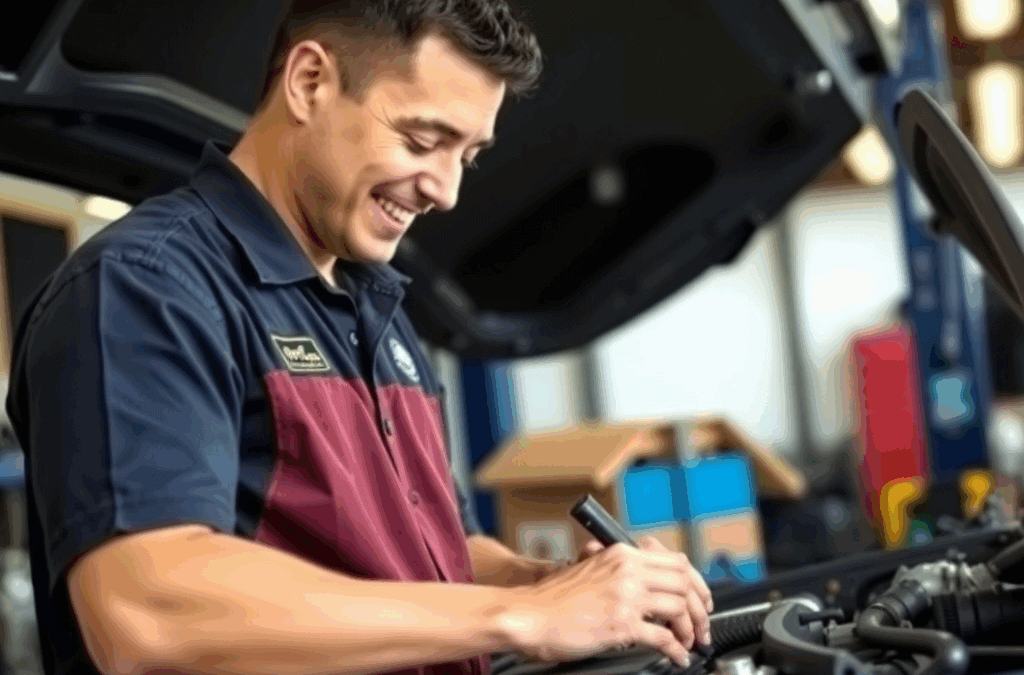
A professional inspection focuses on various components within the braking system — including pads, rotors, calipers, lines, and fluid levels — identifying potential problems before they escalate into significant issues. It is advisable to have your brakes inspected at least once a year or every 12,000 miles driven under normal conditions.
Signs That Your Brakes Need Attention
In addition to scheduled inspections, being mindful of signs indicating potential problems with your brakes creates opportunities for timely intervention:
- Squealing or grinding noises: These sounds typically signal worn-out pads. Vibration while braking: This could indicate warped rotors or uneven pad wear. Soft or spongy brake pedal: If you notice this sensation when applying pressure on the pedal, it may indicate air in the lines or low fluid levels. Pulling sensations: If your car pulls to one side when stopping suddenly, there may be an issue with either front or rear brakes. Dashboard warning light: An illuminated light signals potential brake system malfunctions requiring immediate attention from a professional mechanic.
Recognizing these symptoms early allows you to schedule an appointment with a reliable brake shop near Whitehouse TX before more severe damage occurs.
Practical Tips for Maintaining Your Brakes
Maintaining your brakes requires both proactive measures and awareness regarding how driving habits impact their lifespan:
Avoid sudden stops: Aggressive driving habits contribute significantly toward premature wear on both pads and rotors.
Keep an eye on warning indicators: Regularly check dashboard alerts related to the braking system's functionality; don’t ignore them if illuminated.
Practice smooth acceleration: Gradual starts reduce stress placed upon all mechanical systems within vehicles—including brakes—extending their lifespan.
Stay aware of road conditions: Uneven terrain may necessitate additional caution when driving; adjust speed accordingly during adverse conditions such as rain/snow/ice.
Choose quality over cost: When replacing any part associated with brakes—whether it's pads/rotors/fluid—opt for reputable brands over cheaper alternatives; prioritize safety above all else.
By adhering closely to best practices for maintaining your vehicle’s braking system while debunking prevalent myths surrounding car care techniques—drivers will foster safer experiences behind-the-wheel along highways across East Texas!
Seeking Help From Professionals
When dealing with intricate systems like brakes—where precision matters most—it pays off immensely seeking help from experienced professionals who understand nuances involved within each component's function better than average drivers ever could grasp themselves!
If you're located in Whitehouse TX area looking for trustworthy services related specifically toward car brake repair needs—whether it be routine inspections/replacements/flushes—many reputable mechanics specialize exclusively within these areas! Not only do they possess specialized knowledge required but also access tools necessary diagnose rectify complex problems quickly efficiently without compromising quality workmanship expected from certified technicians!
Taking control over vehicle maintenance empowers drivers beyond simply understanding basic prevention strategies; it opens doors towards building lasting relationships between clients trusted shops committed delivering outstanding results every time step inside garage door! Remember—when it comes down prioritizing safety whether cruising city streets country roads alike—the right information makes all difference world approaching perfect balance between reliability enjoyment journeys ahead!